
Description
Fener and Balat sit shoulder to shoulder on the northern shore of the Golden Horn, ten minutes and several centuries away from the crowds of Sultanahmet. For five hundred years these two neighbourhoods housed Istanbul's Greek and Jewish communities, and that layered past is still legible in the street plan: a Byzantine church here, a synagogue courtyard there, and above it all a red-brick school that locals simply call the castle.
This is a walking tour in the literal sense. We climb cobbled lanes, stop for photographs where the light is good, and duck into the side streets that tour buses cannot reach. Your guide is licensed by the Turkish Ministry of Culture and Tourism and knows which doors are open on which day — useful in a district where half the monuments keep their own hours.
Along the way you will hear how a cathedral came to be cast in iron and shipped down the Danube, why the Ecumenical Patriarchate's main gate has stayed welded shut since 1821, and how Balat went from forgotten to fashionable in barely a decade. We finish among the antique shops and coffee houses of Vodina Caddesi, where you are welcome to linger.
Tour Highlights
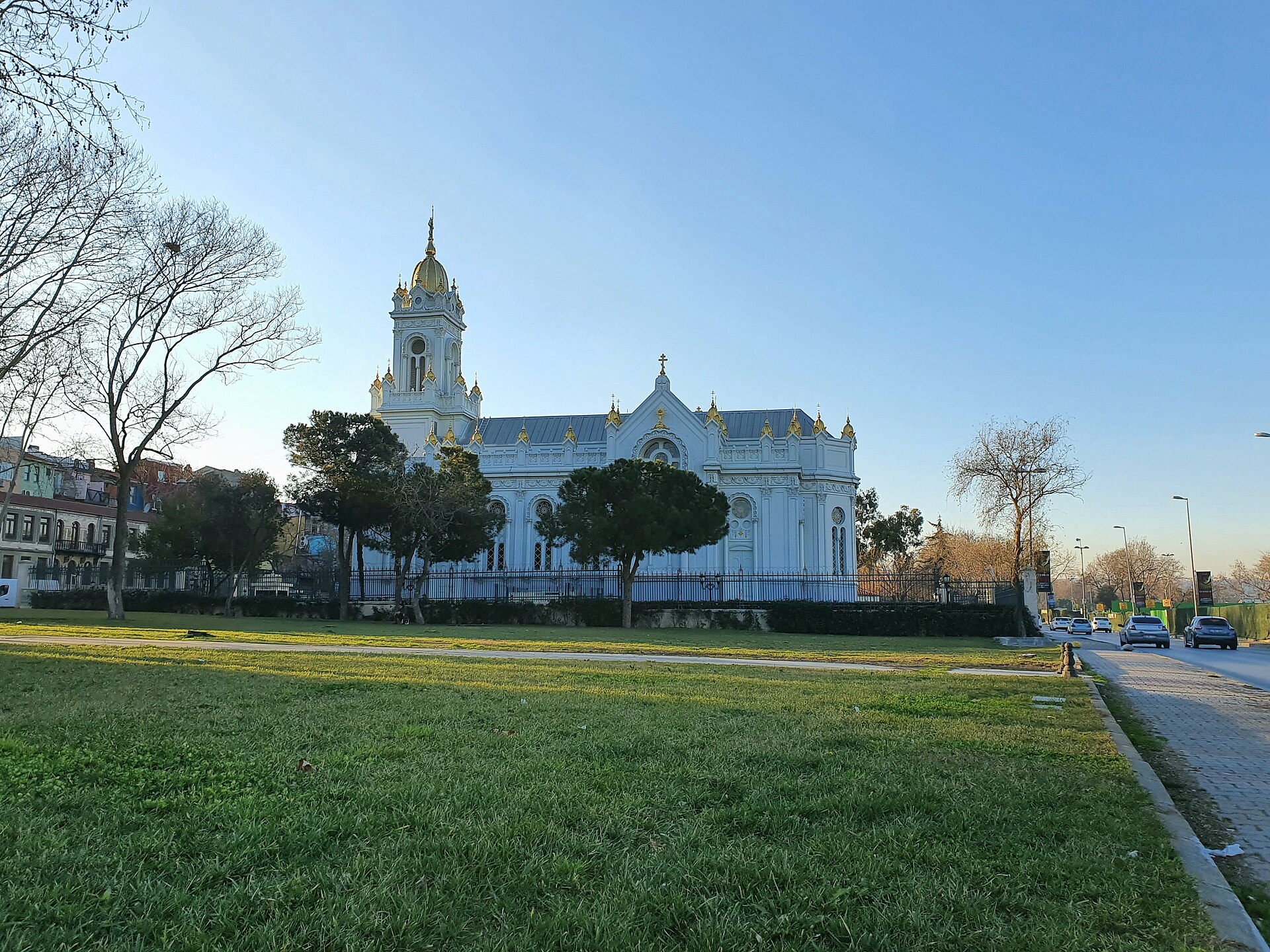
- -The cast-iron St. Stephen Church
- prefabricated in Vienna and assembled on the shore of the Golden Horn
- -The Ecumenical Patriarchate
- spiritual centre of the Orthodox world
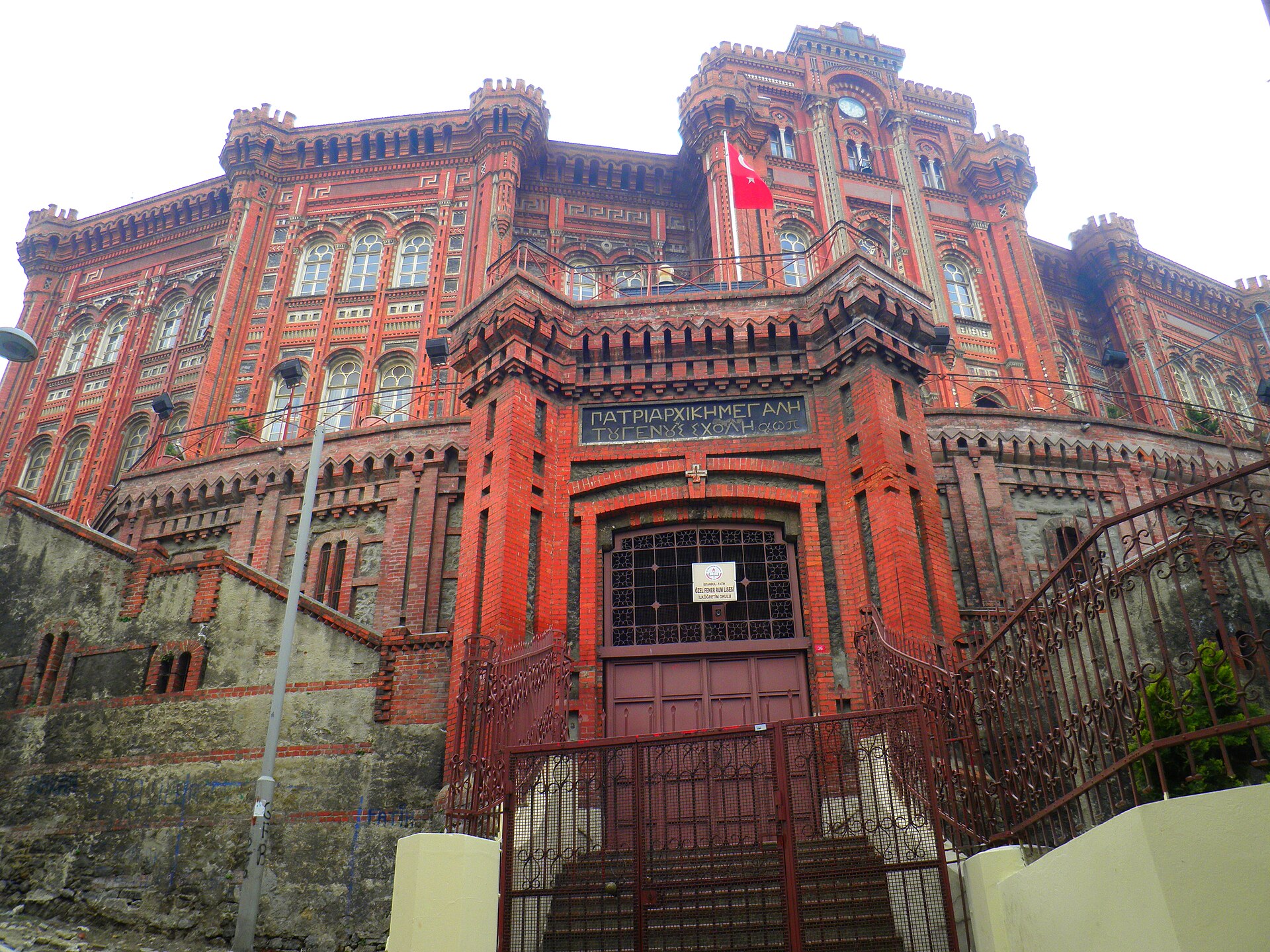
- -The red-brick Phanar Greek Orthodox College
- Fener's landmark on the hill
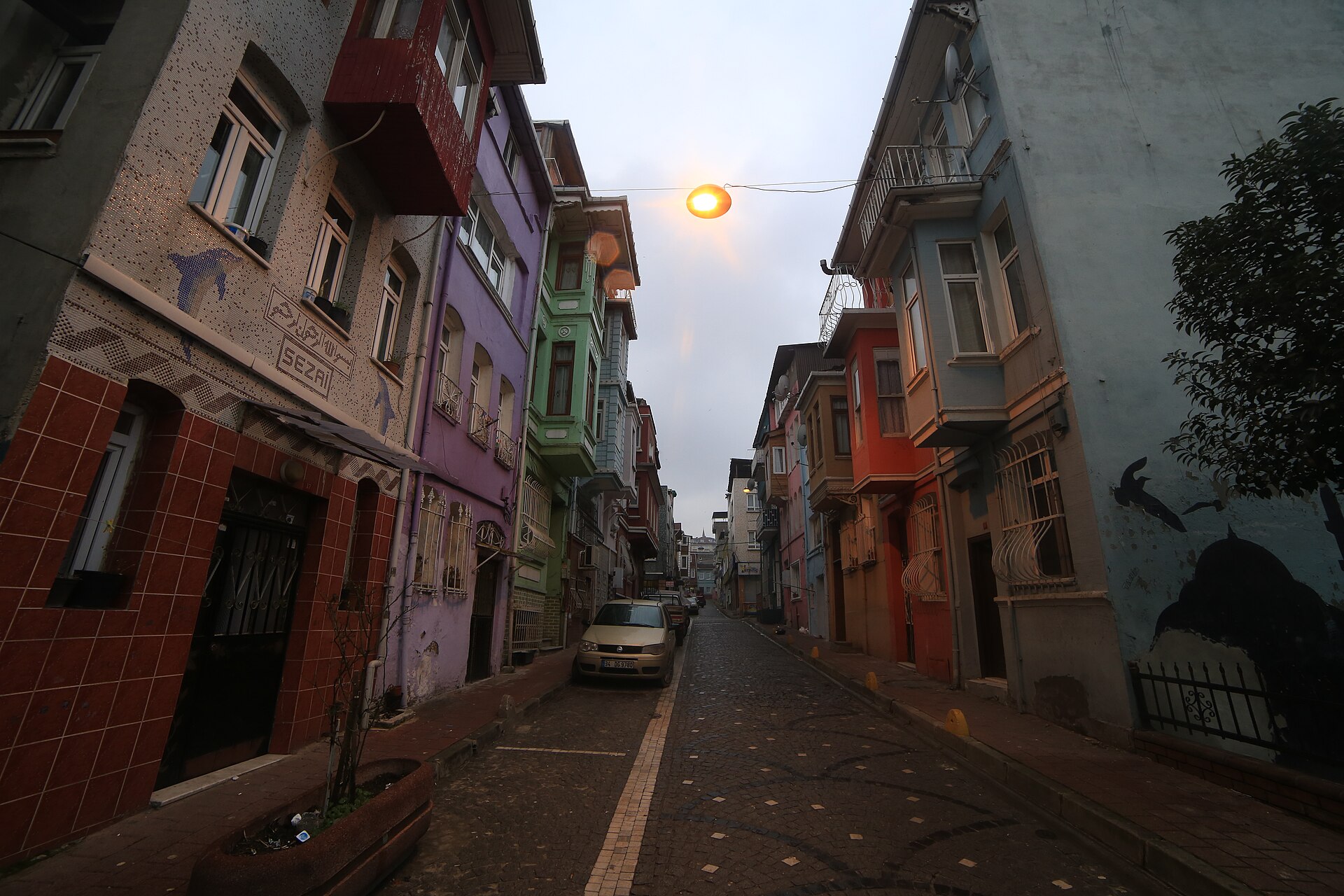
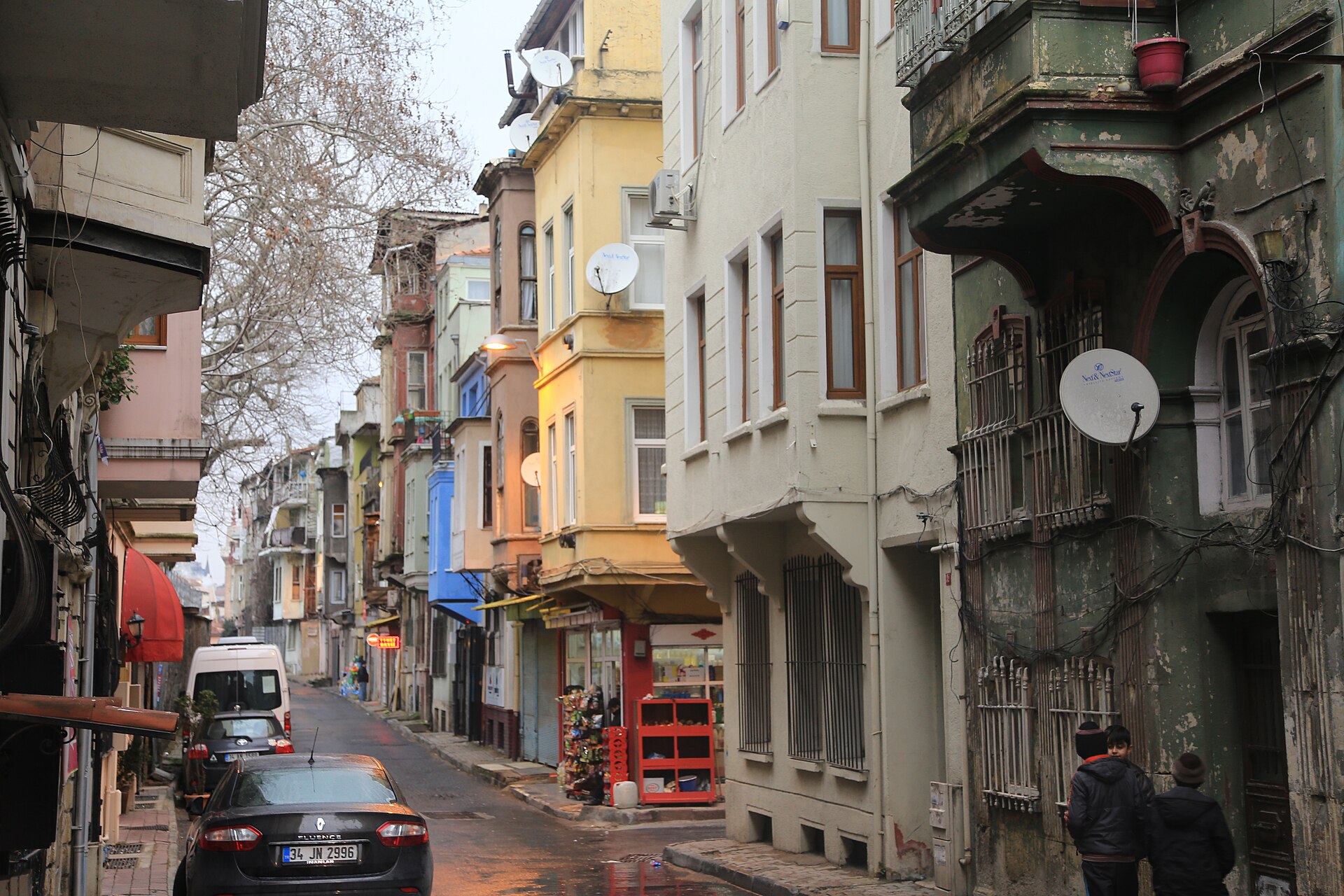
- -Balat's painted houses
- antique shops and street art
- -Small group of no more than 12
- led by a licensed local guide
Tour Information
- Half-day walking tour, approximately 4 hours
- Starting Time: 09:30
- Max Group Size: 12 people
- Languages: English
- Meeting Point: Fener ferry pier (Fener Vapur Iskelesi), Balat, Fatih — 5 minutes from the Fener stop on the Golden Horn ferry line Open in Maps
- Ending Point: Vodina Caddesi, Balat Open in Maps
- Instant Confirmation
Itinerary
Fener ferry pier
We meet on the waterfront and get our bearings: the Golden Horn, the old city walls, and why this shore attracted communities who wanted to be close to the capital but not inside it.
Bulgarian St. Stephen Church
A neo-Gothic cathedral cast entirely in iron, prefabricated in Vienna in the 1890s, shipped down the Danube and across the Black Sea, then bolted together on this spot. We visit the interior when services allow.
Ecumenical Patriarchate & Church of St. George
The administrative heart of Orthodox Christianity, home to relics, a patriarchal throne and a main gate that has remained sealed for two centuries. Modest dress required.
Phanar Greek Orthodox College
Fener's most photographed silhouette: an 1881 red-brick school crowned with a domed observatory, still teaching today. Viewed and photographed from outside.
Balat's Jewish quarter
Down into the old Jewish streets, past the Ahrida Synagogue founded by families from Ohrid before the Ottoman conquest — seen from the outside, as visits need advance permission from the Chief Rabbinate.
Fethiye Mosque & the painted houses
The Byzantine church of the Pammakaristos, later the Fethiye Mosque, whose side chapel holds some of the finest mosaics in the city. We end among Balat's coloured facades and coffee houses.
Route map
What's Included
- Professional guide licensed by the Ministry of Culture and Tourism
- Small-group walking tour, maximum 12 participants
- Neighbourhood orientation, local restaurant and cafe recommendations
What's Not Included
- Entrance and museum fees (e.g. the mosaic section of the Fethiye Mosque)
- Food and drinks
- Hotel pick-up and drop-off
- Transport to and from the meeting point
- Gratuities and personal expenses
Important Information
Confirmation is received at the time of booking
Wear comfortable shoes: the route is cobbled and includes steep sections
Modest dress is required for churches and mosques (shoulders and knees covered; a headscarf for women inside mosques)
The Ahrida Synagogue is viewed from outside; interior visits require advance permission from the Chief Rabbinate
Not suitable for wheelchairs or strollers due to the gradients and cobblestones
The tour runs in light rain; in severe weather we will contact you to reschedule
Photos: Jwslubbock (CC BY-SA 4.0), Antoloji (CC BY-SA 4.0), Mister No (CC BY 3.0), Brad Hostetler (CC BY 2.0) — Wikimedia Commons
Cancellation policy
Reviews
No reviews yet. Be the first to review this tour!
Questions from travelers
No questions yet — be the first to ask.
Ask a question
Travelers also bought

Related Tours
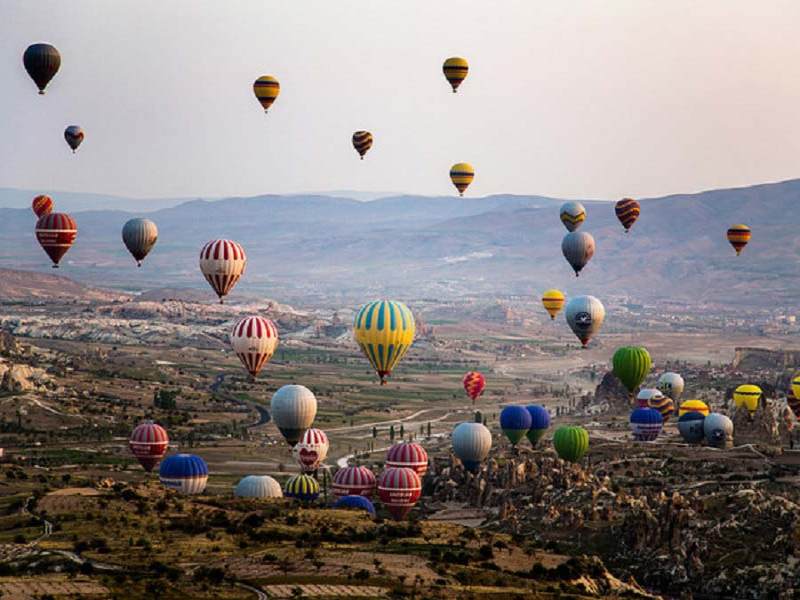
Cappadocia Package 2 — Red and Green Tours + Safari
Two full days of sightseeing plus a valley safari, with airport transfers both ways.…
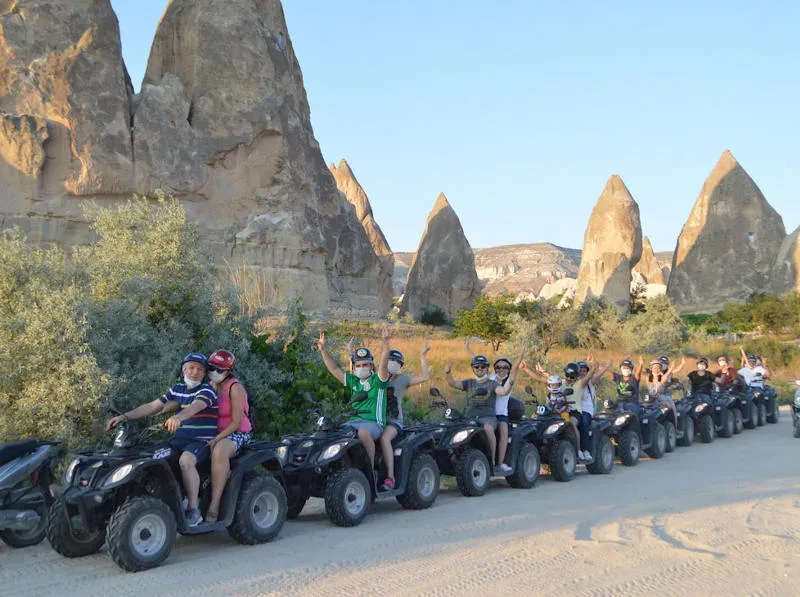
Cappadocia Package 1 — Day Tour & Valley Safari
A short, action-packed stay: airport transfers both ways, a full-day Cappadocia…
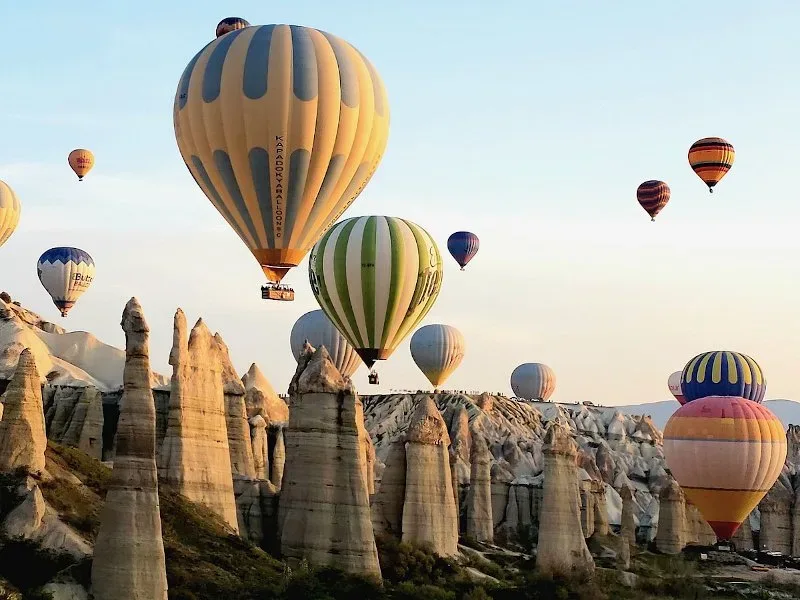
Cappadocia Hot Air Balloon Flight at Sunrise
The classic Cappadocia morning: roughly an hour aloft as the sun comes up over the…