Behind the Scenes of 1453: How Constantinople Fell
February 13, 2026
By
Admin User
1419
views
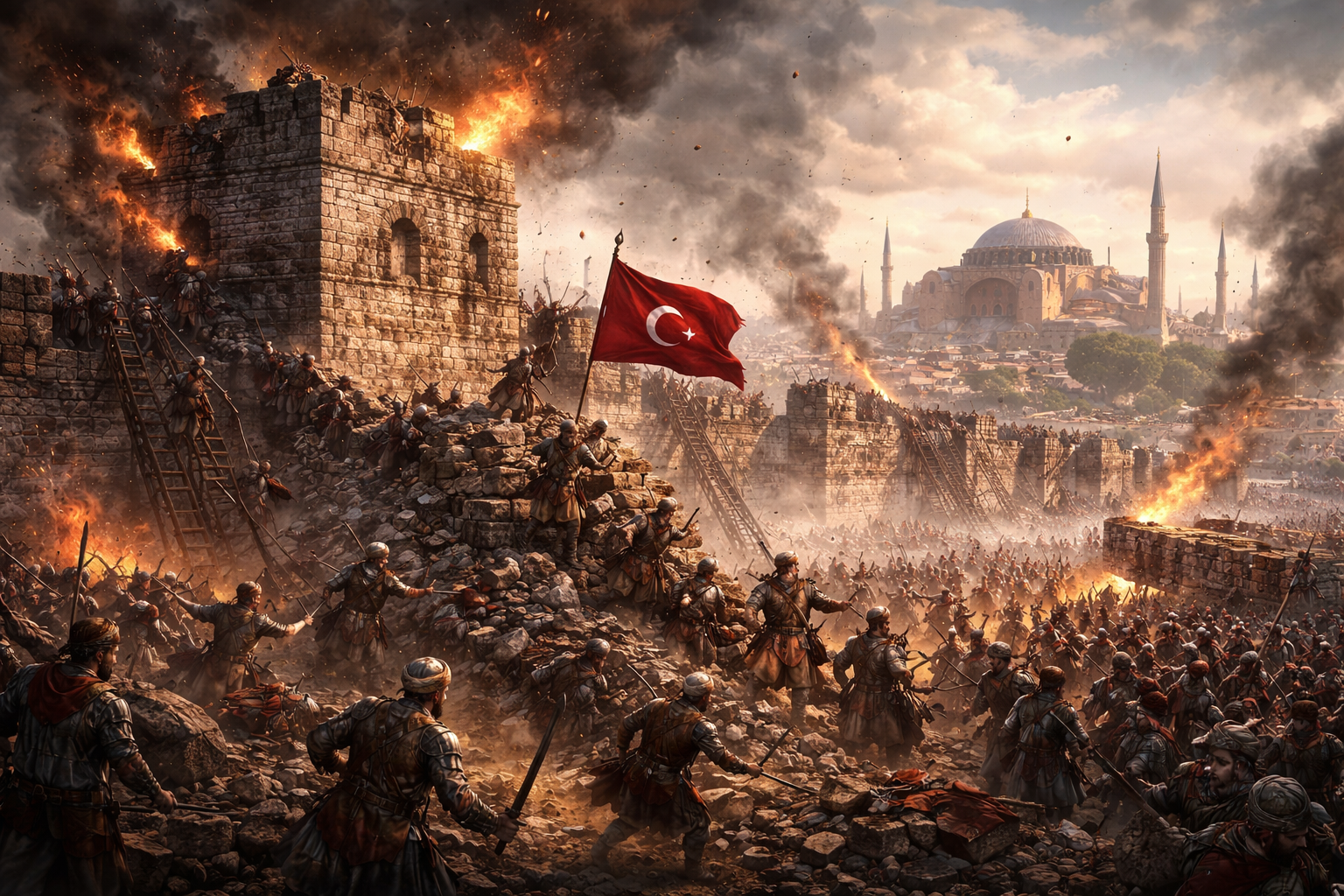
1453: The Fall of Constantinople and the Dawn of a New Era. The year was 1453.
Constantinople, the legendary capital of the Byzantine Empire, had withstood centuries of attacks. Its walls were strong. Its defenders brave. But a new era was coming.
Enter Mehmed II, the Conqueror.
At just 21, he commanded a meticulously prepared Ottoman army. His plan was a combination of:
Innovative military engineering – including massive cannons that could breach ancient walls
Naval strategy – controlling the Bosphorus and cutting off supplies
Psychological warfare – relentless pressure and the promise of reward for soldiers
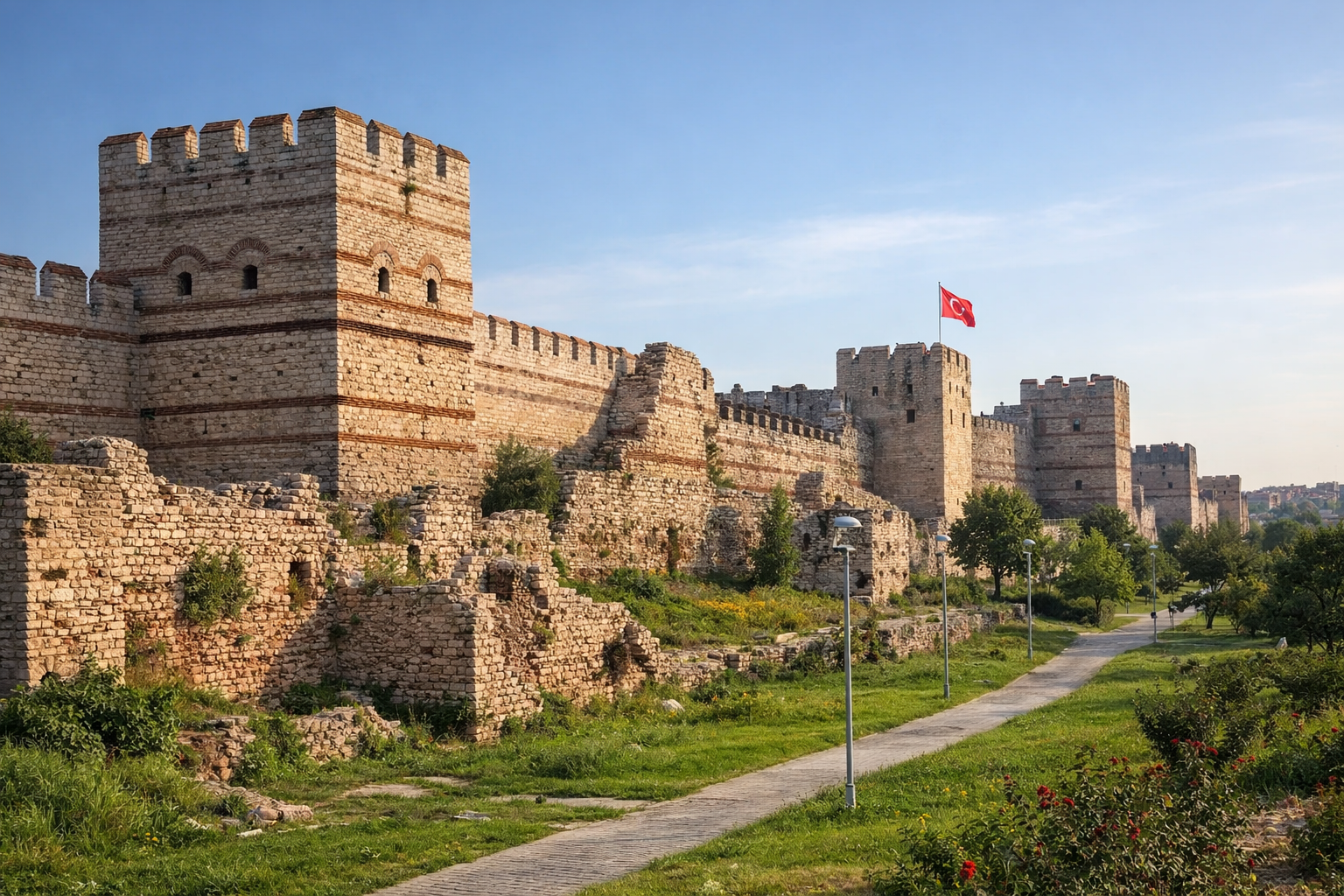
The Theodosian Walls, the same fortifications that had repelled Persians, Arabs, Crusaders, and more, now faced gunpowder artillery—a new technology that changed the rules of siege warfare forever.
The Siege Begins
April 6th, 1453: Mehmed’s army surrounded the city.
April 22nd: The massive cannon bombardment began. Stone by stone, the walls started to crumble.
Despite heroic resistance from Emperor Constantine XI and his defenders, the city’s fate was sealed.
The Breakthrough
On May 29th, after 53 days of siege, a small section of the walls fell.
Ottoman soldiers poured in. The city, long thought invincible, was conquered.
Aftermath
The Eastern Roman Empire ( Byzantine ) ended.
Constantinople was renamed Istanbul.
Mehmed II transformed the city into the Ottoman capital.
Trade, culture, and politics shifted, marking the start of a new era in world history.
The fall of Constantinople was not just military—it was a turning point that:
Demonstrated the power of new technology
Showed the importance of strategy and planning
Shifted the balance between East and West
For centuries, historians and storytellers have marveled at how a city that “could not be taken” finally fell, and how this event shaped global history forever.
Related Posts

Istanbul: The City That Empires Fought For
Feb 13, 2026