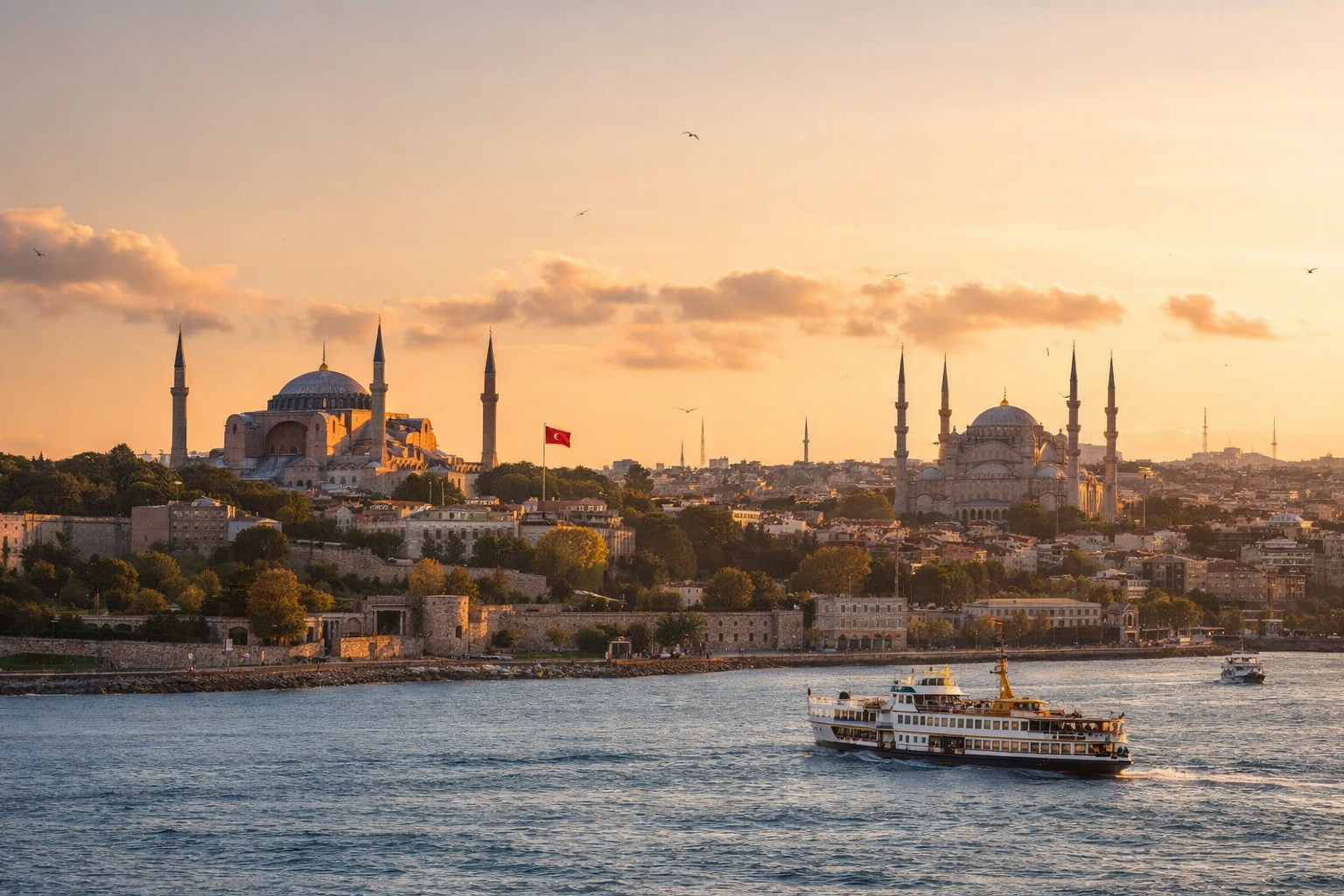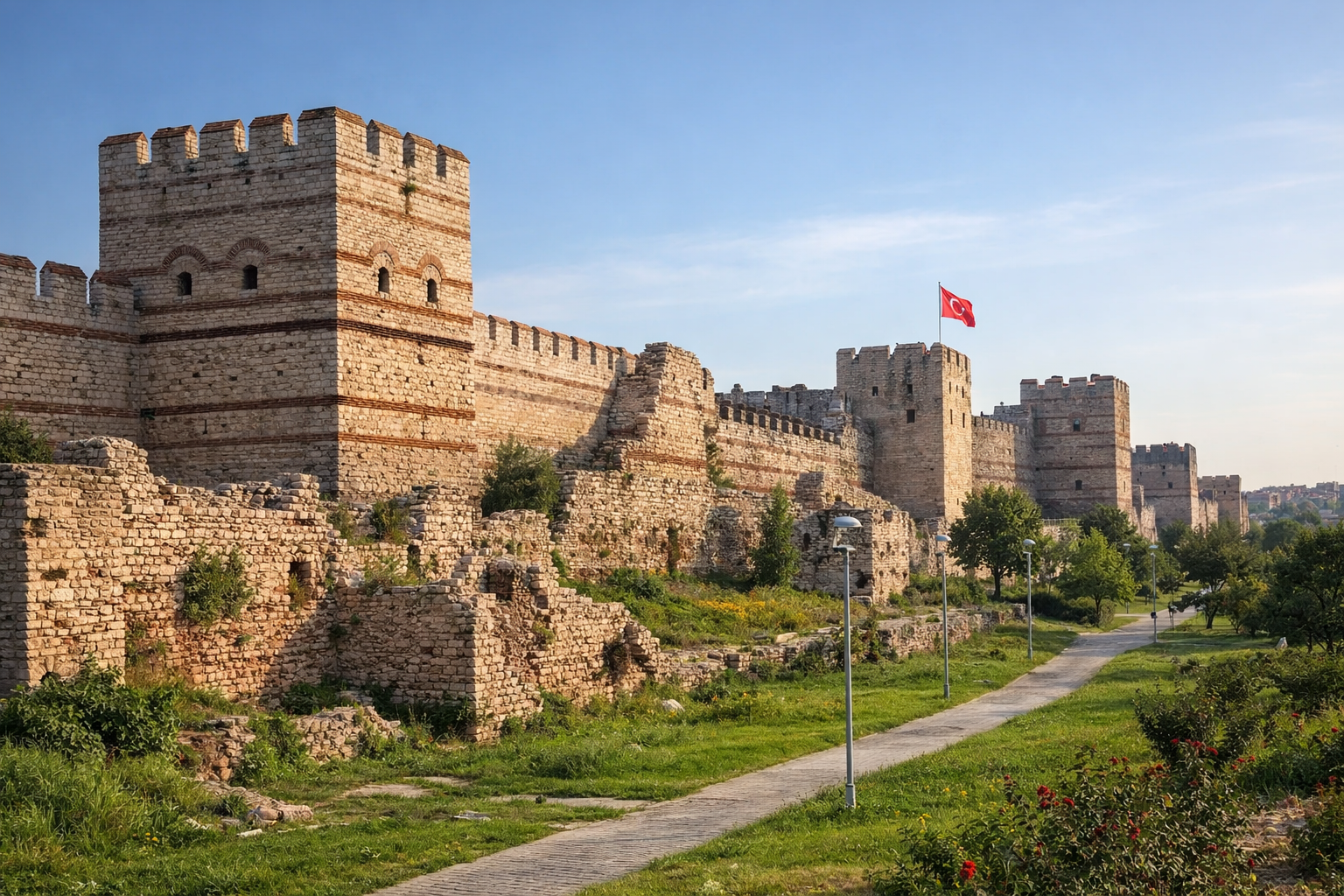
Istanbul is a city built by empires, and nothing captures the grandeur and ambition of the Ottoman dynasty quite like its palaces. For over six centuries, Ottoman sultans commissioned ever-more magnificent residences — each one reflecting the political realities, aesthetic tastes, and architectural fashions of its era. Walking through these palaces today is like tracing the arc of an entire civilization, from the austere Islamic traditionalism of the 15th century to the European-influenced opulence of the 19th.
These eight palaces and pavilions span both shores of the Bosphorus and the Golden Horn. Some are world-famous museums thronged with visitors; others are quiet, little-known gems that even many Istanbulites have never visited. Together, they form one of the most remarkable collections of royal architecture anywhere in the world.
1. Topkapı Palace — The Heart of the Empire
📍 Sarayburnu, Fatih | 🕰️ 15th–19th century
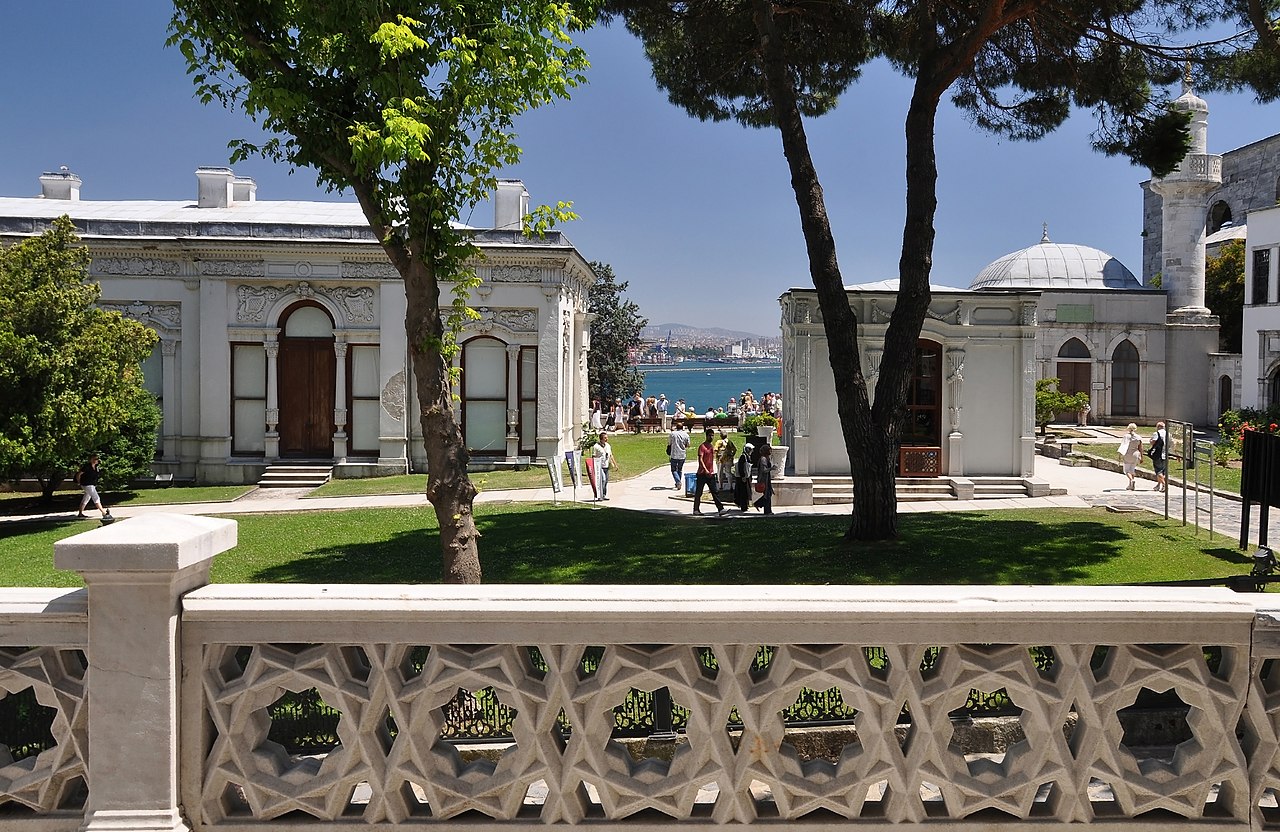
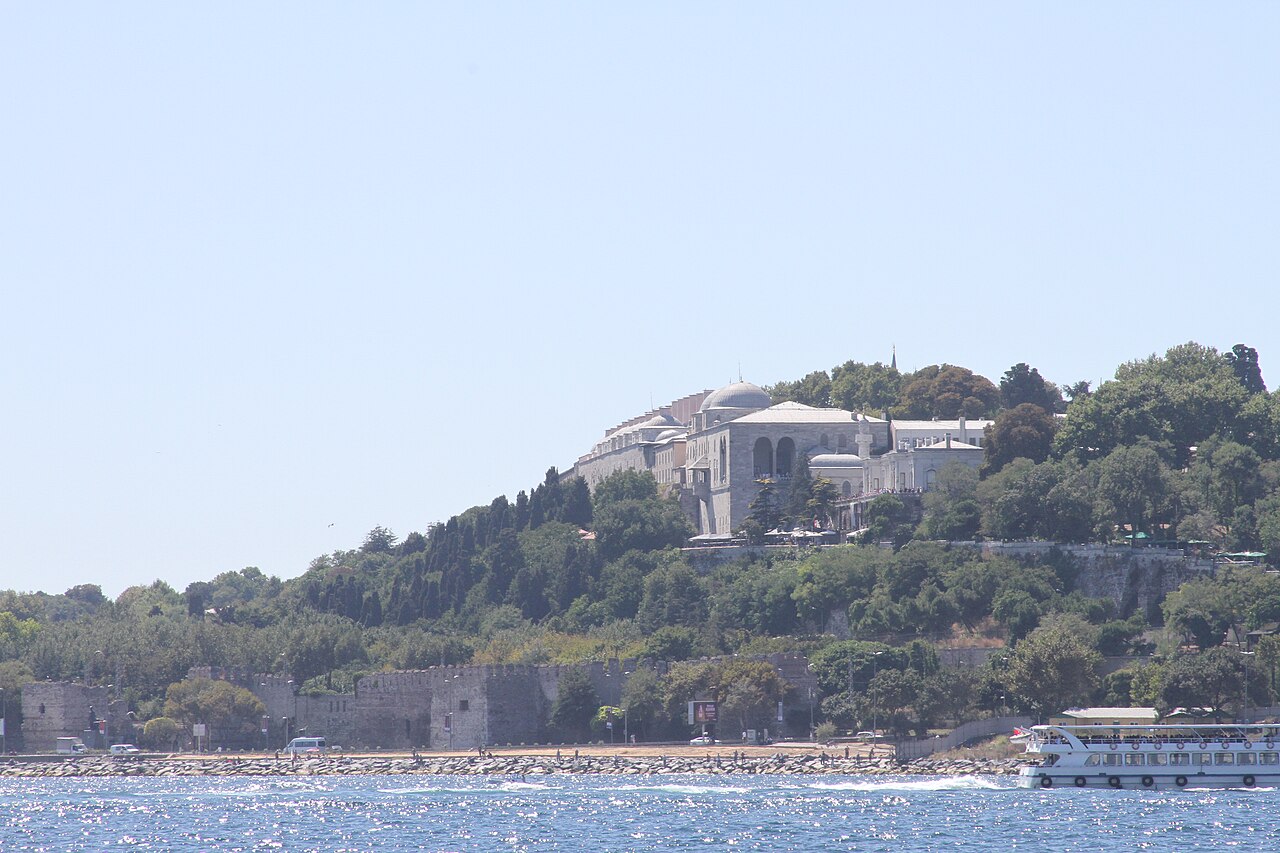
For nearly 400 years — from the reign of Mehmed the Conqueror in the 1460s to the mid-19th century — Topkapı Palace was the political nerve center of the Ottoman Empire. This was where sultans held court, where the Imperial Council debated matters of state, where the empire's vast treasury was guarded, and where the most dramatic episodes of Ottoman history played out behind high walls and fortified gates.
Unlike European palaces with their single monumental façades, Topkapı is organized as a series of increasingly private courtyards connected by ceremonial gates. As you move deeper into the complex, the spaces become more intimate and more richly decorated. The First Courtyard was open to the public; the Second housed the Imperial Council (Divan) and the royal kitchens; the Third contained the Sultan's private quarters and the breathtaking Treasury — home to the 86-carat Spoonmaker's Diamond and the jeweled Topkapı Dagger. The Fourth Courtyard is a garden of kiosks and pavilions with sweeping views across the Bosphorus, the Golden Horn, and the Sea of Marmara.
The Harem section deserves special attention — a labyrinthine world of over 300 rooms where the sultan's family lived, decorated with some of the finest İznik tilework in existence. The Chamber of the Holy Relics, containing items attributed to the Prophet Muhammad, adds a profound spiritual dimension to the visit.
💡 Tip: Buy the combined ticket (palace + harem) and arrive early. Budget at least 3 hours. The terrace near the Baghdad Kiosk offers arguably the best panoramic view in all of Istanbul.
2. Dolmabahçe Palace — Where the Empire Met the West
📍 Beşiktaş | 🕰️ 1856
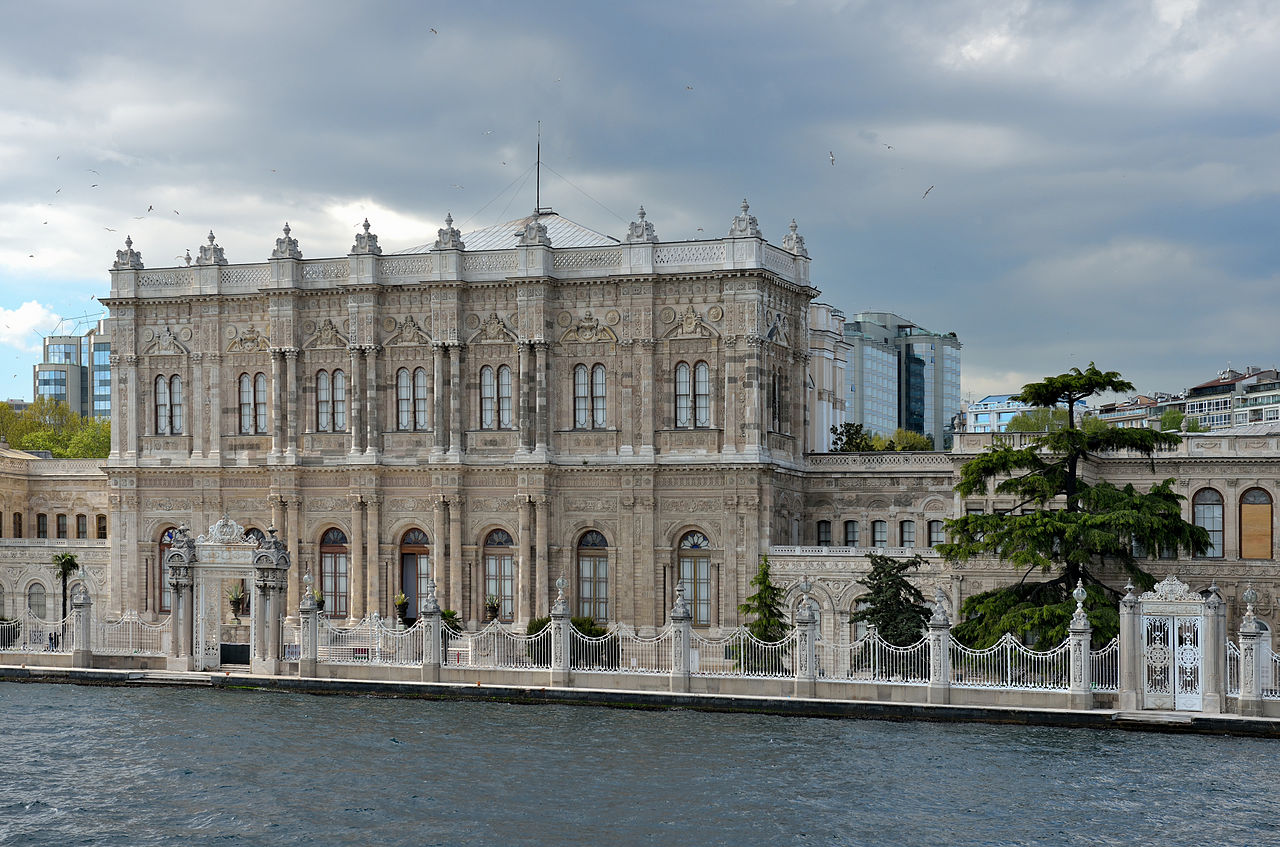
When Sultan Abdülmecid decided in the 1840s that Topkapı Palace was no longer befitting a modernizing empire, he commissioned a new residence that would rival anything in Europe. The result was Dolmabahçe — a jaw-dropping 285-room, 46-hall waterfront palace stretching 600 meters along the European shore of the Bosphorus. Completed in 1856, it was the Ottoman Empire's definitive statement of Westernization.
The palace blends Baroque, Rococo, and Neoclassical styles in a uniquely Ottoman interpretation. The Ceremonial Hall (Muayede Salonu) is the centerpiece — a vast space topped by a 36-meter dome from which hangs the world's largest Bohemian crystal chandelier, a 4.5-ton masterpiece reportedly gifted by Queen Victoria. Crystal banisters line the grand staircases, and 14 tons of gold leaf adorn the ceilings. Every surface communicates one message: the Ottoman Empire was still a force to be reckoned with.
Yet the most moving room in the palace is one of the simplest. In the Harem section, a modest bedroom overlooking the Bosphorus is where Mustafa Kemal Atatürk — the founder of the Turkish Republic — spent his final days. He died here on November 10, 1938, at 9:05 AM. Every clock in the palace is stopped at that time, a silent tribute that never fails to move visitors.
💡 Tip: Entry is by guided tour only (groups form regularly at the entrance). The Selamlık (state rooms) tour is essential; add the Harem for the full experience. The waterfront gardens are free and perfect for a Bosphorus-side stroll.
3. Beylerbeyi Palace — The Summer Jewel of the Asian Shore
📍 Beylerbeyi, Üsküdar | 🕰️ 1860s
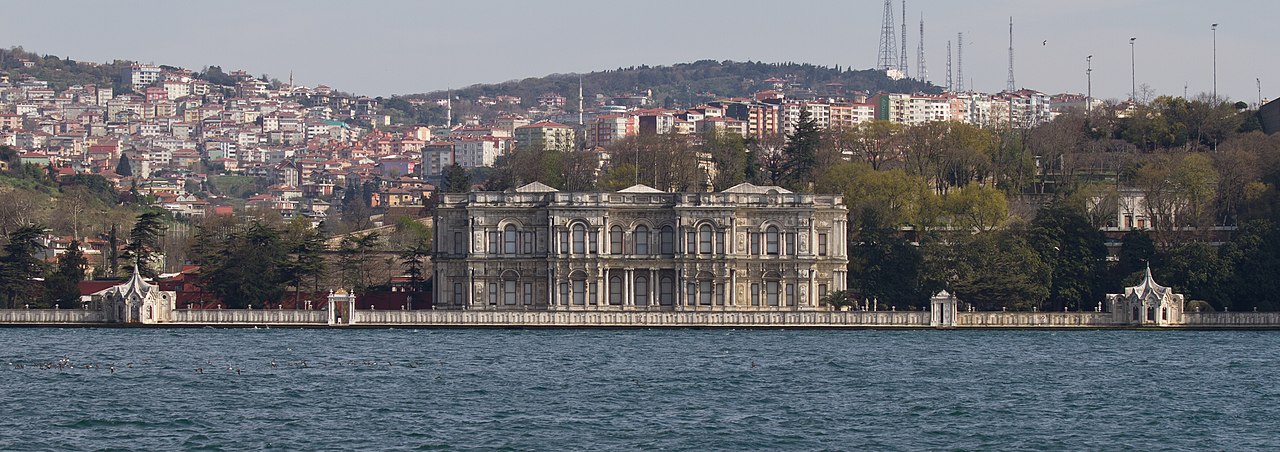
Sitting gracefully on the Asian shore of the Bosphorus, just beneath the July 15th Martyrs Bridge, Beylerbeyi Palace is one of Istanbul's most elegant yet undervisited treasures. Built in the 1860s by Sultan Abdülaziz as a summer residence and guesthouse for visiting foreign heads of state, it served as the Ottoman Empire's glamorous waterfront stage for diplomatic hospitality.
The palace's two-story marble façade is a masterclass in Ottoman Baroque elegance, with elaborate cornices, arched windows, and a symmetrical plan that creates a sense of harmonious grandeur. Inside, the rooms are decorated with Hereke carpets, Bohemian crystal chandeliers, French clocks, and East Asian porcelain — a cosmopolitan mix reflecting the empire's position at the crossroads of civilizations. The ground-floor pool rooms, designed to cool the palace during summer with the gentle sound of flowing water, are a particularly enchanting feature.
Empress Eugénie of France was among the distinguished guests hosted here, and she was reportedly so impressed by a particular cabinet that Abdülaziz had a copy made and sent to her in Paris. The deposed Sultan Abdülhamid II spent his final years confined here — a gilded cage from which he could watch the Bosphorus but never cross it again.
💡 Tip: Far less crowded than Dolmabahçe, Beylerbeyi offers a more intimate palace experience. Combine your visit with a walk along the Bosphorus promenade in Beylerbeyi village — one of Istanbul's loveliest waterfront neighborhoods.
4. Yıldız Palace — The Fortress of Abdülhamid
📍 Yıldız Park, Beşiktaş | 🕰️ Late 19th century
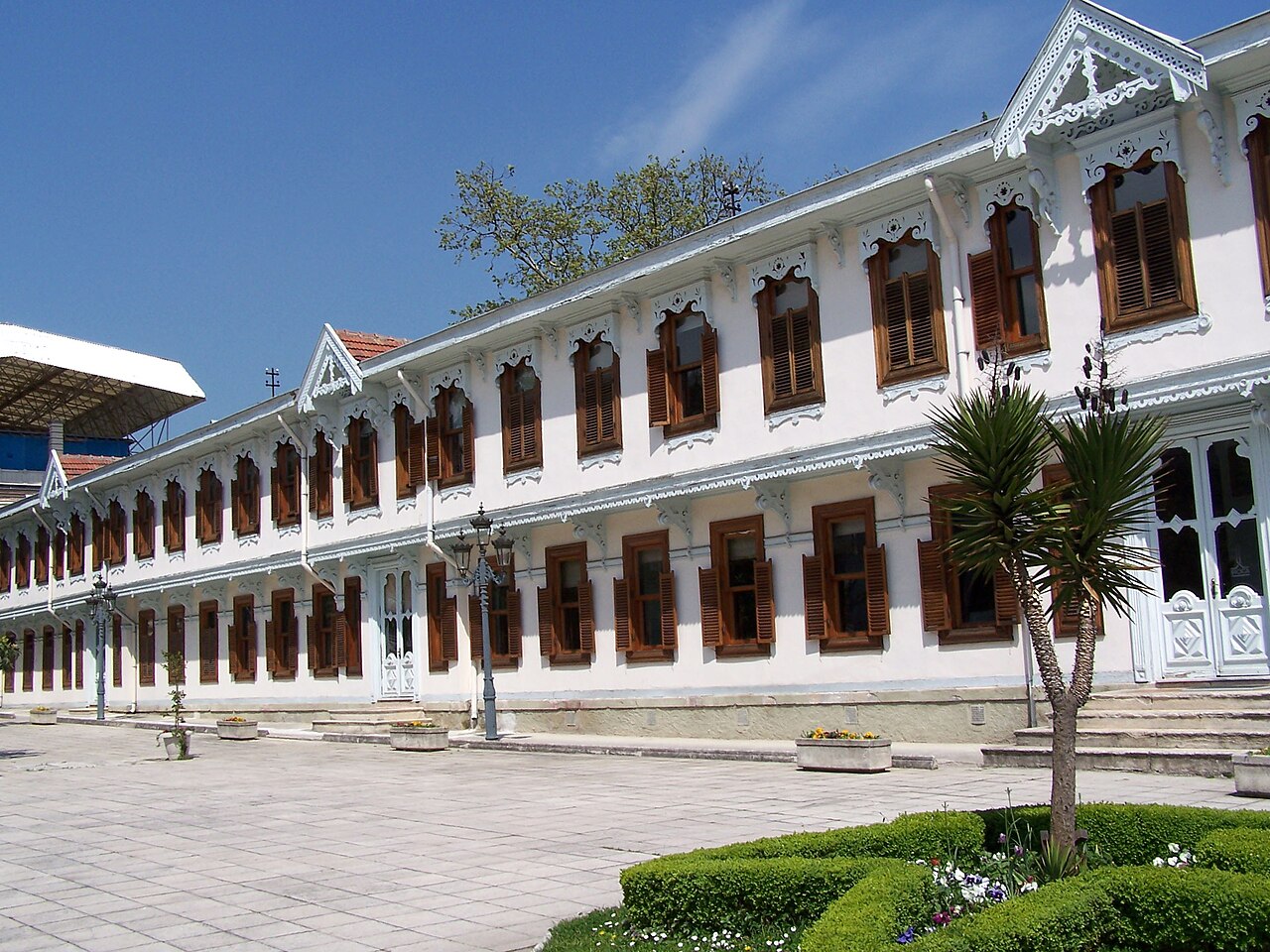
Yıldız Palace is unlike any other imperial residence in Istanbul. Rather than a single monumental building, it's an entire complex of pavilions, kiosks, workshops, a theater, a mosque, and gardens spread across the forested hillside above the Bosphorus. It became the center of Ottoman power under Sultan Abdülhamid II (r. 1876–1909), who chose it over the exposed Dolmabahçe for a very practical reason: security. The sprawling, hilltop compound with its multiple escape routes and concealed positions suited the personality of a sultan who lived in constant fear of assassination.
The crown jewel of the complex is the Şale Pavilion (Chalet Kiosk), a magnificent structure originally built as a guesthouse and expanded over the years into a lavish palace in its own right. Its ceremonial hall, with an enormous handwoven silk carpet that covers the entire floor as a single piece, is one of the most impressive rooms in any Istanbul palace. The Yıldız Porcelain Factory, established by Abdülhamid to produce ceramics rivaling European manufacturers, still operates within the grounds.
Surrounding the palace complex, Yıldız Park is one of Istanbul's most beautiful green spaces — a hilly landscape of ancient trees, artificial lakes, and winding paths that feels worlds away from the urban bustle below. The park alone makes the visit worthwhile.
💡 Tip: Start with the Şale Pavilion (requires a ticket), then wander freely through Yıldız Park. The Malta Kiosk within the park is now a charming café — perfect for tea with a view. Sunday mornings are the most peaceful time to visit.
5. Çırağan Palace — From Imperial Flames to Luxury Rebirth
📍 Beşiktaş, Bosphorus shore | 🕰️ 19th century
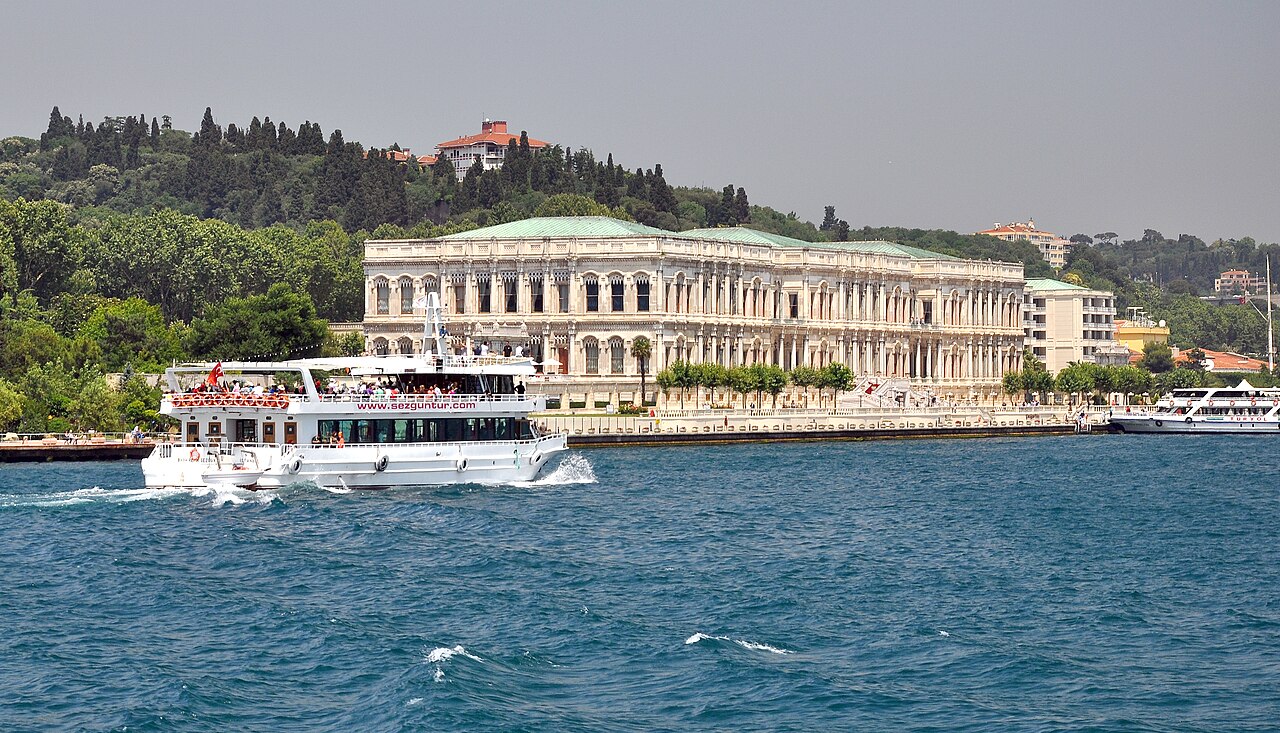
The story of Çırağan Palace reads like a dramatic novel. Built in the 1860s–70s for Sultan Abdülaziz along the European shore of the Bosphorus between Beşiktaş and Ortaköy, it was intended to be the most magnificent of all Ottoman waterfront palaces. Made of marble and stone rather than wood, its 300-meter façade combined Ottoman and Moorish architectural elements in a style that dazzled everyone who saw it from the water.
But Çırağan's time as an active palace was heartbreakingly brief. Sultan Abdülaziz was deposed in 1876 and found dead shortly after — officially a suicide, though many historians suspect murder. His successor Murad V was declared mentally unfit and imprisoned within Çırağan's walls for 28 years until his death. The palace briefly served as the seat of the Ottoman Parliament in 1909, only to be devastated by a catastrophic fire in 1910 that gutted the interior and left only the marble shell standing.
For decades, the burned-out palace was one of Istanbul's most haunting ruins. In the 1990s, it was meticulously restored and reopened as the Çırağan Palace Kempinski Hotel — today one of the world's most exclusive luxury hotels. Even if you're not staying there, you can admire the magnificent exterior from the Bosphorus or treat yourself to tea or a meal on the waterfront terrace.
💡 Tip: Take the Bosphorus ferry or a boat tour to see Çırağan from its most impressive angle — the water. Sunday brunch at the hotel is legendary (reserve well in advance). The public gardens along the waterfront promenade are free to walk through.
6. Aynalıkavak Kasrı — The Pavilion of Mirrors and Music
📍 Hasköy, Golden Horn | 🕰️ 18th century
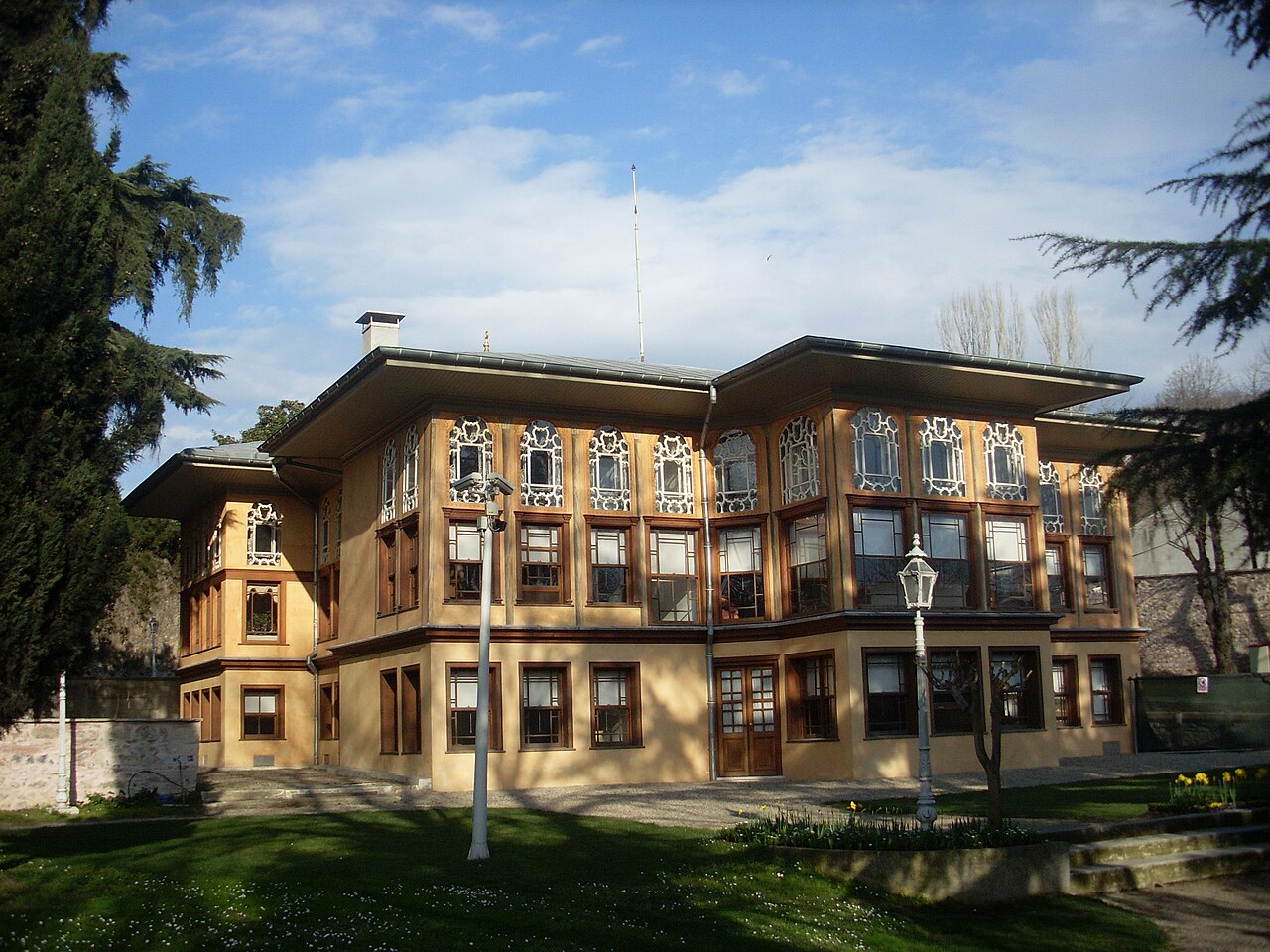
Tucked away on the shore of the Golden Horn in the Hasköy neighborhood, the Aynalıkavak Kasrı (Pavilion of Mirrored Poplars) is one of Istanbul's most intimate and least-known imperial structures. It's the sole surviving building from a much larger Ottoman imperial complex that once occupied this waterfront — and it offers a glimpse into a more refined, personal side of palace life that the grand palaces sometimes overshadow.
The pavilion dates primarily to the 18th century and gets its poetic name from the Venetian mirrors that once adorned its walls, combined with the poplar trees (kavak) that lined the surrounding gardens. Inside, the most remarkable space is the Composition Room (Beste Odası) of Sultan Selim III, a musically gifted ruler who composed Ottoman classical music here and hosted performances by the empire's finest musicians. The room preserves its original mother-of-pearl inlaid cabinets and gilded woodwork.
Today the pavilion operates as a museum dedicated to Ottoman music and court culture. Its modest size and off-the-beaten-path location mean you'll likely have the place almost to yourself — a rare luxury in Istanbul.
💡 Tip: Combine with a visit to the nearby Rahmi M. Koç Museum (Istanbul's fantastic transport and industry museum) and a walk along the Golden Horn waterfront. The views across to the Fener and Balat neighborhoods are lovely from here.
7. Küçüksu Kasrı — The Baroque Gem of the Asian Shore
📍 Küçüksu, Beykoz | 🕰️ 19th century
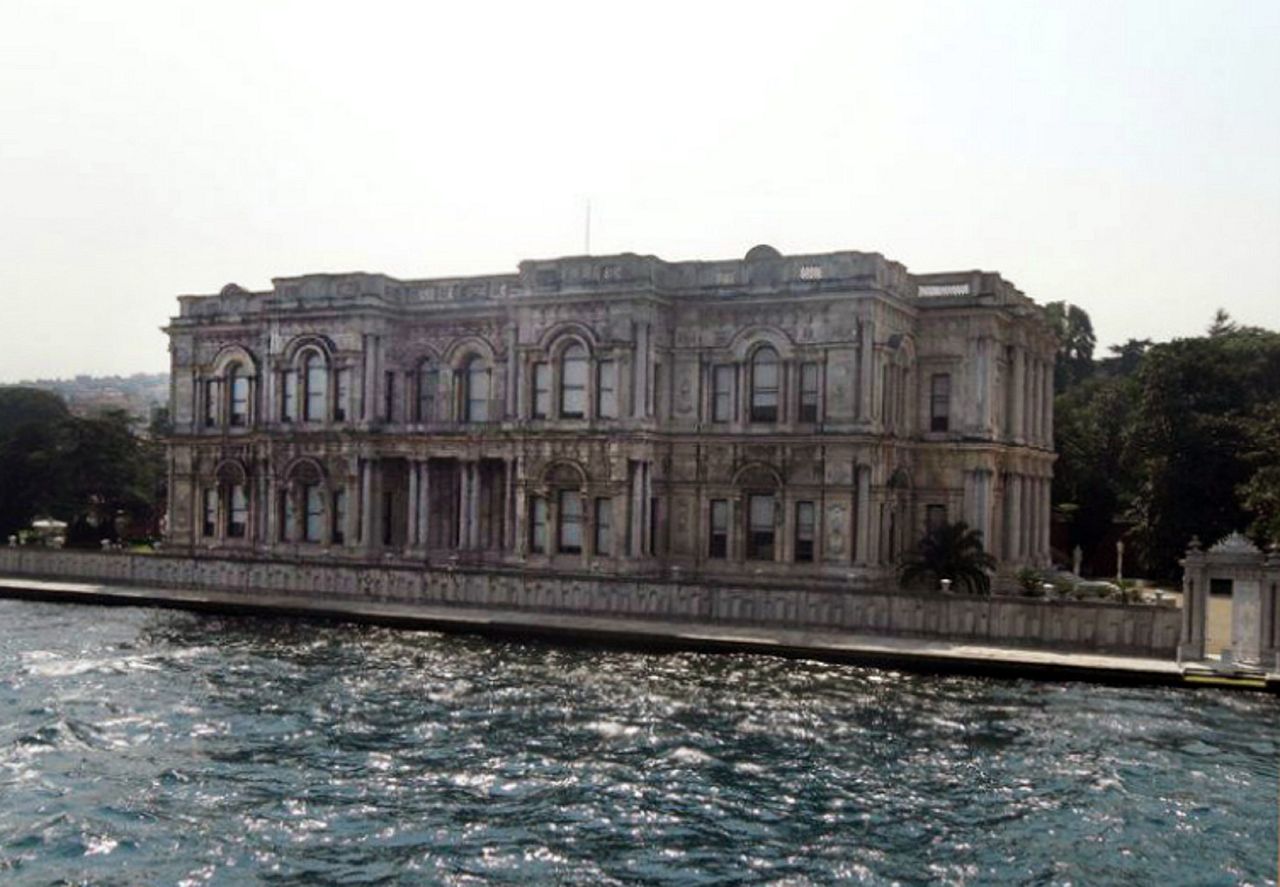
Perched at the mouth of the Küçüksu Stream (Göksu) on the Asian side of the Bosphorus, between the Fatih Sultan Mehmet and the July 15th Martyrs bridges, Küçüksu Kasrı is a petite architectural jewel that punches far above its size. Built between 1856 and 1857 by the architect Nikoğos Balyan for Sultan Abdülmecid, this two-story pavilion was used as a hunting lodge and rest stop during the sultan's excursions along the Bosphorus.
What makes Küçüksu unforgettable is the sheer exuberance of its Baroque façade. Every surface is carved, scrolled, and ornamented with a profusion of floral garlands, shell motifs, and flowing curves that would not look out of place in Vienna or Paris. Yet the scale remains intimate — this is not a palace trying to intimidate, but a pavilion designed to delight. Inside, four richly decorated rooms on each floor feature ornate ceilings, crystal chandeliers, and marble fireplaces.
The setting is equally enchanting. The pavilion sits in a small garden between the stream and the Bosphorus, with views of the European shore opposite. Ottoman sultans and their courts used to picnic along the Göksu meadows — the area was such a popular leisure spot that European travelers called it the "Sweet Waters of Asia."
💡 Tip: Küçüksu is compact enough to visit in under an hour. Pair it with Beylerbeyi Palace (a short drive south) for a complete Asian-shore palace day. The waterside fish restaurants in nearby Anadolu Hisarı are excellent for lunch.
8. Maslak Kasırları — The Imperial Retreat in the Forest
📍 Maslak, Sarıyer | 🕰️ 19th century
At the northern reaches of the city, where Istanbul begins to dissolve into the forests that stretch toward the Black Sea, the Maslak Pavilions (Maslak Kasırları) offer something no other Ottoman palace complex can: silence. This cluster of 19th-century buildings — including the Kasr-ı Hümayun (Imperial Pavilion), the Mabeyn-i Hümayun (Imperial Reception Hall), the Çadır Köşkü (Tent Kiosk), and the Limonluk (Conservatory) — was built as a hunting lodge and countryside retreat for Ottoman sultans seeking escape from the pressures of court life.
Surrounded by ancient plane trees and set within carefully maintained gardens, the pavilions combine Ottoman architectural traditions with European influences that were fashionable in the late 19th century. The Kasr-ı Hümayun is the most impressive, with its ornate painted ceilings, stained-glass windows, and elegant wooden interiors. The Tent Kiosk gets its name from its distinctive design — an octagonal wooden structure reminiscent of the nomadic tents that were part of the Turkic cultural heritage the Ottomans traced back to Central Asia.
Today the complex is managed as a museum and surrounded by a pleasant park. It's one of the least visited historical sites in Istanbul, making it feel like a genuine discovery — a serene pocket of imperial history hidden in plain sight among the modern skyscrapers of the Maslak business district.
💡 Tip: The contrast between the centuries-old pavilions and the gleaming corporate towers surrounding them is surreal and worth seeing in itself. Best visited on a weekday when the park is at its quietest. Easily combined with a trip to Belgrad Forest for nature lovers.
Understanding the Palaces: A Guide to Ottoman Ambitions
Each of Istanbul's imperial palaces tells a different chapter of the Ottoman story. Here's how to understand what you're seeing:
- Topkapı Palace → Represents traditional Ottoman identity: Islamic, inward-looking, organized around courtyards and gardens, symbolic of the empire's classical golden age.
- Dolmabahçe Palace → Represents Westernization: European-style architecture, outward-facing (on the Bosphorus shore), a statement that the empire could match anything the West could build.
- Yıldız Palace → Represents security and centralization: a hidden, dispersed compound reflecting the political paranoia of the late empire under Abdülhamid II.
- Bosphorus palaces (Beylerbeyi, Çırağan, Küçüksu) → Represent prestige and diplomatic representation: waterfront showpieces designed to impress foreign dignitaries arriving by sea.
Visiting all eight gives you not just a tour of beautiful buildings, but a deep understanding of how the Ottoman Empire evolved, adapted, and ultimately reinvented itself over the centuries.
Ready to Explore Ottoman Istanbul?
At Via Turquia, we design tours that bring these palaces to life — with expert guides who know the hidden stories, skip-the-line access, and itineraries that connect the architecture to the human dramas that unfolded within these walls. Whether you want a full Ottoman palaces tour or a customized Istanbul experience, we'll create something unforgettable.
👉 Explore our Istanbul tour packages and start planning your journey through Ottoman history.