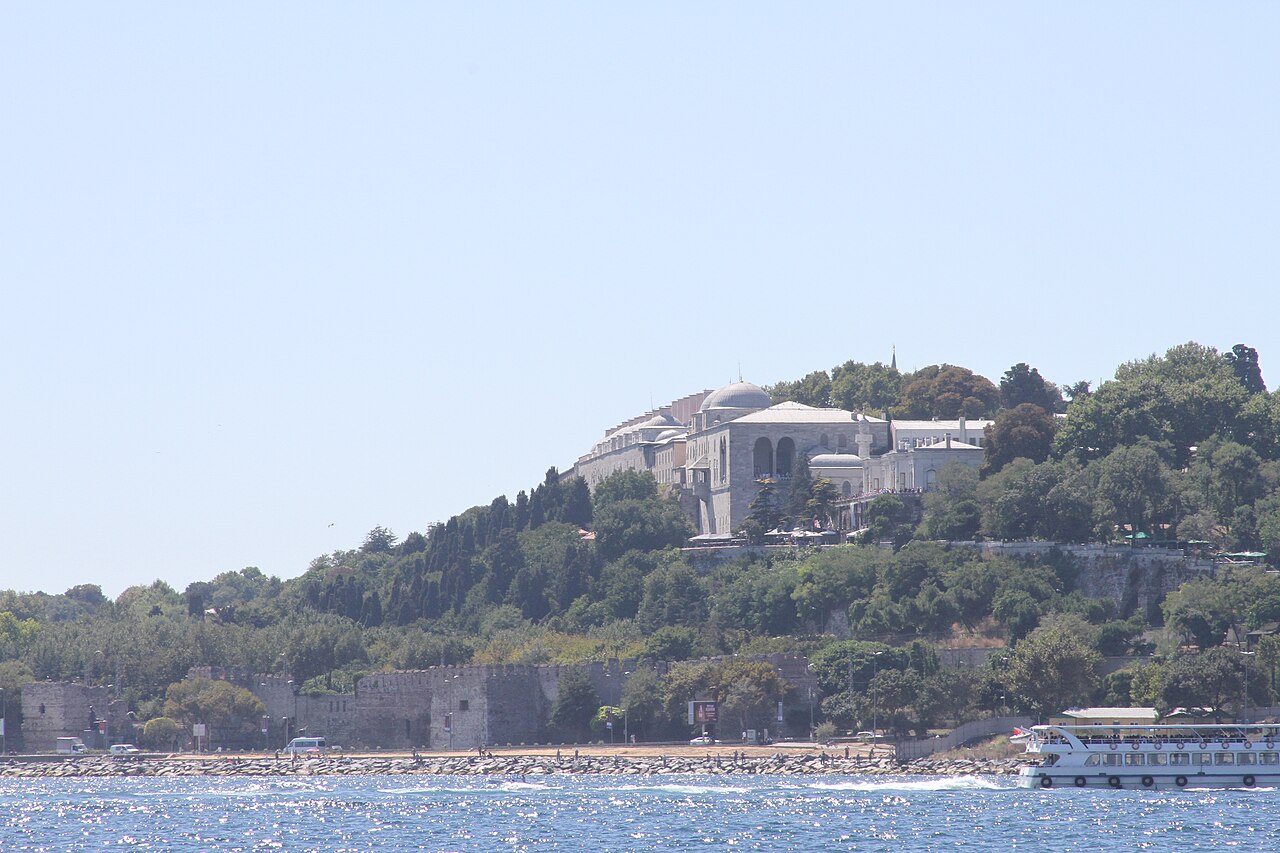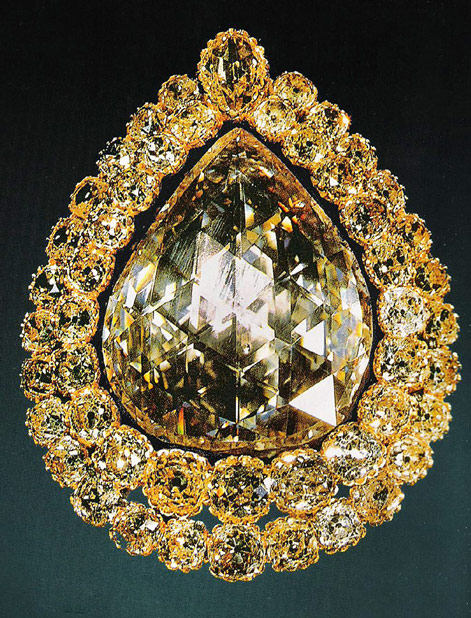
The moment you step into the Imperial Treasury at the Topkapı Palace Museum in Istanbul, you will notice everyone crowding around a single display case. Resting on a velvet background and shining like a full moon in the center of two rows of 49 brilliant-cut diamonds, lies one of the most famous jewels in the world: the Spoonmaker’s Diamond (Kaşıkçı Elması).
But how did this massive 86-carat stone end up in the Ottoman treasury, and why does it bear such an unusual name? Rather than offering a single answer, the dusty pages of history provide us with remarkably intriguing legends.
1. A Fate Changed for Three Wooden Spoons
The most popular and beloved story dates back to the late 17th century in Istanbul’s Eğrikapı neighborhood. According to this account—also recorded in the chronicles of Ottoman historians Raşid and Defterdar Sarı Mehmed Pasha—a humble man scavenging through a garbage dump found a round, shiny stone. Completely unaware of its value, he took it to a spoonmaker and traded it for just three wooden spoons.
The spoonmaker then sold the stone to a jeweler for ten akçes (silver coins). When the jeweler showed it to a fellow guild member, both realized they were holding a priceless diamond, sparking a fierce dispute between them. The commotion reached the ears of the Chief Jeweler, then the Grand Vizier, and finally Sultan Mehmed IV. Once the stone was brought to the palace by the Sultan's order and cut, this dazzling 86-carat masterpiece came to light.
2. A Journey from India to Napoleon’s Mother
Another legend places the diamond's origins in India, routing its journey through European courts. According to this version, in 1774, a French officer named Pigot, stationed in India, brought the diamond back to France. Years later, the jewel ended up in the hands of Letizia Bonaparte, Napoleon’s mother, who had to sell her jewelry to rescue her son from exile.
A trusted confidant of Ali Pasha of Tepelena, who was in France at the time, purchased the diamond on the Pasha's behalf. When Ali Pasha rebelled and was executed during the reign of Sultan Mahmud II, all of his assets were confiscated, and the legendary diamond became part of the Ottoman treasury.
3. Where Does Its Name Come From?
There are two main theories regarding the origin of its name:
- From its history: It is said to be named either after the spoonmaker who acquired it in exchange for three wooden spoons, or after a merchant named Kaşıkçı Mehmet Efendi, who supposedly brought it from India.
- From its shape: It is believed to be called the "Spoonmaker’s Diamond" because its pear-shaped (teardrop) cut and the oval outline formed with the surrounding diamonds resemble the bowl of an antique spoon.
Dazzling Features
Regardless of what historical legends say, the physical majesty of the Spoonmaker’s Diamond is undeniable. Weighing approximately 17.2 grams (86 carats), its pear-shaped cut refracts light to perfection. The 49 smaller diamonds encircling it were added during the reign of Sultan Mahmud II, giving it the imposing appearance it displays today.
If you ever find yourself in Istanbul, be sure to visit this unique piece at Topkapı Palace—not just to admire a jewel, but to immerse yourself in the mysterious stories whispered about it for centuries.
To explore Topkapı Palace with a professional guide, get in touch with us at www.viaturquia.com.